

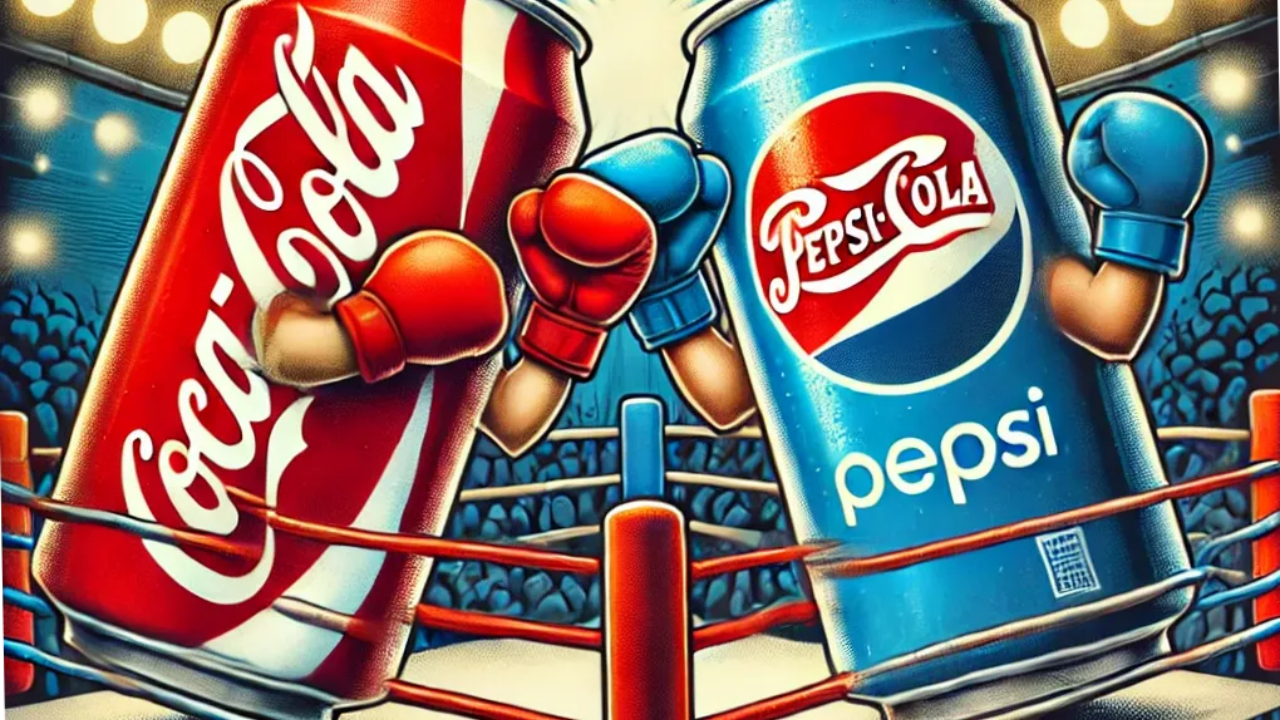
Conducting Thorough Competitive Analysis to Differentiate Your Brand

Conducting Thorough Competitive Analysis to Differentiate Your Brand

For any brand striving for success, it is crucial to stay ahead of competitors in today’s rapidly changing market. Businesses can gain insights into the competition and discover ways to stand out by conducting comprehensive competitive analysis.

Brands can use these insights to establish a distinctive market presence and foster stronger connections with their target audience. Explore proven methods for conducting competitive analysis and gain inspiration from brands that effectively use these insights to set themselves apart in this blog post.

Methods for Conducting Thorough Competitive Analysis

Identify Direct and Indirect Competitors

The first step in conducting a competitive analysis is to identify both direct and indirect competitors. Direct competitors are those offering similar products or services to the same target market. Indirect competitors, on the other hand, provide alternative solutions that could fulfill the same customer needs. Understanding the full spectrum of competition helps in gaining a comprehensive view of the market.

Analyze Competitors’ Strengths and Weaknesses

Conduct a SWOT analysis (Strengths, Weaknesses, Opportunities, and Threats) for each competitor. This involves evaluating their products, pricing strategies, market positioning, customer reviews, and overall market presence. Tools like SWOT analysis templates and competitive analysis frameworks can help streamline this process. Identifying what competitors do well and where they fall short provides valuable insights into areas where your brand can differentiate itself.

Monitor Competitors’ Marketing Strategies

Keep a close eye on competitors’ marketing campaigns, social media activities, content strategies, and promotional tactics. Tools like Hootsuite, SEMrush, and Google Alerts can help track competitors’ online activities and analyze their marketing performance. Understanding their messaging and engagement strategies can highlight gaps and opportunities for your brand to stand out.

Evaluate Customer Feedback and Reviews

Customer feedback and reviews offer a goldmine of information about competitors. Platforms like Yelp, Google Reviews, and social media comments can reveal customers’ pain points and satisfaction levels. Analyzing this feedback helps identify unmet needs and areas where your brand can provide superior value.

Conduct Market Research and Surveys

Conducting primary research through surveys and focus groups can provide firsthand insights into customer preferences and perceptions. Secondary research, including industry reports and market studies, can offer a broader view of market trends and competitor performance. Combining both approaches ensures a well-rounded understanding of the competitive landscape.

Competitive Benchmarking

Competitive benchmarking involves comparing your brand’s performance metrics with those of competitors. This could include sales figures, market share, customer satisfaction scores, and more. Benchmarking tools like Tableau and benchmarking software can help visualize these comparisons, making it easier to identify areas for improvement and differentiation.

Using Competitive Analysis Insights to Differentiate Your Brand

Highlight Unique Value Propositions

Analyze the collected insights to pinpoint and highlight your brand’s unique value propositions. These are the distinctive benefits and features that set your brand apart from competitors. For example, Apple differentiates itself through its innovative design and seamless integration across devices, offering a unique user experience that competitors find hard to replicate.

Address Competitors’ Weaknesses

Use the weaknesses identified in competitors’ offerings to your advantage. If customer reviews highlight poor customer service from a competitor, focus on providing exceptional customer support as a key differentiator. Zappos, for instance, is renowned for its customer service, which has become a cornerstone of its brand identity, setting it apart in the crowded online retail space.

Innovate Based on Market Gaps

Competitive analysis often reveals gaps in the market—areas where competitors are not fully meeting customer needs. Innovate by developing new products or services that address these gaps. Tesla, for example, capitalized on the lack of high-performance electric vehicles in the market, setting a new standard for innovation and sustainability in the automotive industry.

Craft Compelling Brand Messaging

Develop brand messaging that clearly communicates your differentiation. This involves articulating your UVPs in a way that resonates with your target audience and distinguishes you from competitors. Dove’s “Real Beauty” campaign is a stellar example, focusing on natural beauty and body positivity, which differentiates it from other beauty brands that often emphasize unrealistic beauty standards.

Enhance Customer Experience

Providing an exceptional customer experience can be a powerful differentiator. Analyze competitors’ customer touchpoints and identify areas where you can exceed expectations. Amazon excels in this area with its focus on customer convenience, fast delivery, and personalized recommendations, setting a high bar for customer experience in e-commerce.

Examples of Brands Excelling in Competitive Analysis

Apple

Apple’s competitive analysis is meticulous, focusing on design, innovation, and ecosystem integration. By understanding competitors’ limitations and consumer desires, Apple has consistently introduced groundbreaking products that redefine market standards.

Zappos

Zappos differentiates itself through unparalleled customer service. By analyzing competitors’ shortcomings in customer support, Zappos made exceptional service a core part of its brand, earning customer loyalty and admiration.

Tesla

Tesla identified a significant gap in the automotive market for high-performance electric vehicles. By focusing on innovation and sustainability, Tesla has differentiated itself and set new industry benchmarks.

Comprehensive Competitive Analysis

Performing a comprehensive competitive analysis is essential for brands aiming to stand out in a saturated market. Brands can discover valuable insights by assessing competitors’ strengths and weaknesses, tracking their marketing strategies, and evaluating customer feedback. When these insights are applied, they can showcase distinctive value propositions, fill market gaps, and elevate customer experiences, leading to a compelling and memorable brand presence. Your brand can gain a unique and competitive advantage in the marketplace by adopting these methods and studying successful brands’ competitive analysis strategies.


Navigating Market Categories: Establishing Your Brand’s Leadership

Establishing a brand as a category leader is essential for long-term success and a competitive edge. By integrating elements such as product innovation, strategic placement, effective pricing, and engaging promotions, the Brand Constellations Framework offers a comprehensive approach to reaching this goal. Leveraging these components gives brands the opportunity to secure a leading position in the market. This blog examines effective strategies to establish a brand as a leader in its category, using real-world examples as illustrations.

Understanding the Brand Constellations Framework

The Brand Constellations Framework emphasizes the interconnected elements that contribute to a brand’s success. The framework consists of eight critical dimensions: Product, Placement, Price, Promotion, Category, Competitors, Company, and Customer. By understanding and effectively managing these dimensions, brands can create a cohesive strategy that enhances their market position.

Key Strategies for Positioning a Brand as a Category Leader

Product Innovation

Continuous innovation is essential for maintaining relevance and meeting evolving consumer needs. Brands that consistently introduce new and improved products can set themselves apart as industry leaders.

Example: Tesla

Tesla revolutionized the automotive industry by focusing on electric vehicles (EVs) and sustainable energy solutions. By investing heavily in research and development, Tesla introduced high-performance EVs with cutting-edge technology, such as autopilot and long-range batteries. This focus on innovation has positioned Tesla as a leader in the EV market, capturing significant market share and setting industry standards.

Strategic Placement

Optimal placement ensures that products are accessible and visible to the target audience. This includes both physical and digital distribution channels.

Example: Coca-Cola

Coca-Cola’s extensive distribution network ensures that its products are available globally, from urban centers to remote areas. The company’s strategic placement in high-traffic retail locations, restaurants, and vending machines ensures maximum visibility and accessibility, reinforcing its position as a global leader in the beverage industry.

Effective Pricing

Pricing strategies must align with the brand’s value proposition and market positioning. Effective pricing can enhance perceived value and attract the target demographic.

Example: Apple

Apple uses premium pricing to reinforce its image of high quality and exclusivity. By positioning its products at the higher end of the market, Apple attracts customers who associate higher prices with superior technology and design. This strategy has helped Apple maintain a strong brand image and achieve significant market share in the tech industry.

Engaging Promotions

Integrated marketing campaigns that engage consumers across multiple touchpoints are crucial for building brand awareness and loyalty.

Example: Red Bull

Red Bull’s promotional strategies include sponsoring extreme sports events and creating high-energy content that aligns with its brand identity. These efforts have built a strong connection with its target audience, making Red Bull synonymous with adventure and energy. The brand’s unique promotional approach has helped it dominate the energy drink market.

Understanding Market Dynamics

Staying attuned to market dynamics, including economic conditions, technological advancements, and regulatory changes, allows brands to adapt and thrive.

Example: Netflix

Netflix continuously adapts to changing market dynamics by leveraging technology to enhance user experience. The company’s transition from DVD rentals to streaming services, and now to producing original content, showcases its ability to anticipate and respond to market trends. This adaptability has positioned Netflix as a leader in the entertainment industry.

Deep Consumer Insights

Understanding consumer behavior and preferences is essential for creating products and experiences that resonate with the target audience.

Example: Nike

Nike uses extensive consumer research to guide its product development and marketing strategies. By understanding the needs of athletes and fitness enthusiasts, Nike delivers products that meet these needs and engages customers through personalized marketing. This customer-centric approach has solidified Nike’s position as a leader in athletic wear.

Integrating the Brand Constellations Framework

To effectively position a brand as a category leader, it’s essential to integrate the elements of the Brand Constellations Framework:

Product Innovation: Continuously develop new products that meet consumer needs.

Strategic Placement: Ensure products are accessible and visible through optimal distribution channels.

Effective Pricing: Align pricing with the brand’s value proposition and market positioning.

Engaging Promotions: Develop integrated campaigns that resonate with the target audience.

Market Dynamics: Stay attuned to external factors and adapt strategies accordingly.

Consumer Insights: Leverage data to understand and meet consumer preferences.

Becoming a Category Leader

Establishing a brand as a category leader requires a holistic approach that combines innovative products, strategic positioning, competitive pricing, and captivating promotions. Brands can establish a commanding market position by using the Brand Constellations Framework and adjusting to market dynamics and consumer behavior.

Companies like Tesla, Coca-Cola, Apple, Red Bull, Netflix, and Nike exemplify how strategic positioning can drive success and secure leadership within their respective industries. By implementing these tactics, brands can establish long-term value and attain continuous expansion, securing their position as industry leaders.

Creating a Bright Promotion Star to Build Brand Awareness and Engagement

Within the Brand Constellations Framework, the Promotion Star shines a light on the importance of communication strategies in brand promotion. Digital marketing, social media, and traditional advertising are all important for effective promotional strategies that build brand awareness and engagement. This blog explores how these strategies work together to enhance brand visibility and customer interaction, with examples from stellar companies leading the way.

Digital Marketing

Search Engine Optimization (SEO)

Strategy: SEO improves website content to boost visibility in search engine results, making it easier for potential customers to discover the brand online.

Impact: High SEO rankings increase organic traffic, enhancing brand visibility without the ongoing costs associated with paid advertising.

Example: HubSpot excels in SEO by creating valuable content that ranks highly on search engines, driving significant organic traffic to their website and establishing their authority in inbound marketing.

Pay-Per-Click (PPC) Advertising

Strategy: PPC ads appear on search engine results pages or social media platforms, with the advertiser paying each time the ad is clicked.

Impact: PPC can quickly drive targeted traffic to a website, boosting brand visibility and conversions.

Example: Google Ads is a prominent example, enabling businesses of all sizes to target specific keywords and demographics, effectively reaching potential customers.

Content Marketing

Strategy: Content marketing involves creating and distributing valuable, relevant content to attract and engage a target audience.

Impact: High-quality content builds trust and authority, encouraging customer loyalty and engagement.

Example: Red Bull’s content marketing strategy includes extreme sports videos and articles that align with their brand identity, fostering a strong connection with their audience.

Social Media Marketing

Influencer Marketing

Strategy: Brands collaborate with influencers who have a significant following to promote their products or services.

Impact: Influencer marketing can increase brand credibility and reach new audiences through trusted voices.

Example: Fashion brand Revolve partners with influencers to showcase their clothing, leveraging the influencers’ followers to boost brand awareness and sales.

Social Media Advertising

Strategy: Social media platforms offer targeted advertising options to reach specific demographics with tailored messages.

Impact: Social media ads can enhance engagement and drive traffic to the brand’s website or online store.

Example: Facebook and Instagram ads allow brands like Nike to target users based on interests, behaviors, and demographics, creating highly personalized ad experiences.

Community Engagement

Strategy: Engaging with customers through comments, direct messages, and social media posts to build a loyal community.

Impact: Active engagement fosters a sense of community and loyalty, encouraging repeat business and word-of-mouth referrals.

Example: Wendy’s is known for its witty and responsive social media presence, engaging directly with customers and creating viral moments that enhance brand visibility.

Traditional Advertising

Television Advertising

Strategy: TV ads reach a broad audience, making them suitable for building brand awareness on a large scale.

Impact: Television remains a powerful medium for reaching diverse demographics, particularly for brands targeting older or more general audiences.

Example: Coca-Cola’s iconic holiday ads create emotional connections with viewers, reinforcing the brand’s identity and values.

Print Advertising

Strategy: Print advertisements in magazines, newspapers, and billboards can successfully reach specific demographics and locations.

Impact: Print ads offer a tangible means of reaching audiences and can enhance digital strategies by reinforcing brand messages.

Example: Luxury brands like Chanel use print ads in high-end fashion magazines to maintain their image and reach affluent customers.

Event Sponsorships

Strategy: Sponsoring events allows brands to reach attendees in a context that aligns with their interests and values.

Impact: Event sponsorships enhance brand visibility and create positive associations through shared experiences.

Example: PepsiCo sponsors major sporting events like the Super Bowl, leveraging the massive viewership to boost brand awareness and engagement.

Integrating Promotional Strategies

Effective brand promotion involves integrating digital, social media, and traditional advertising strategies to create a cohesive approach. Each channel has its strengths, and by leveraging them together, brands can maximize their reach and engagement.

Apple’s Stellar Promotion Strategy

Apple effectively integrates its promotional strategies across multiple channels. Their product launches are live-streamed (digital), heavily covered on social media, and supported by traditional TV and print ads. This multi-faceted approach ensures maximum visibility and engagement, reinforcing Apple’s position as a leading tech brand.

Focus on the Promotion Star

Within the Brand Constellations Framework, the Promotion Star underscores the value of a holistic promotional approach for enhancing brand recognition and interaction. Brands can create powerful communication strategies that connect with their target audiences by effectively using digital marketing, social media, and traditional advertising. Companies such as HubSpot, Red Bull, Nike, Wendy’s, Coca-Cola, and Apple demonstrate the impact of integrated marketing strategies on achieving enduring success.

Pricing Strategies: Aligning Value Perception with Market Positioning

Pricing strategies play a critical role in shaping brand perception and market positioning. The Price Star in the Brand Constellations Framework emphasizes the importance of aligning pricing with the perceived value and market position of a brand. Different pricing strategies can significantly impact how a brand is viewed by consumers and its share in the marketplace. This blog explores various pricing strategies and their implications, with examples from leading companies.

Understanding Pricing Strategies

Premium Pricing

Strategy: Premium pricing involves setting prices higher than competitors to create a perception of higher quality or exclusivity. This strategy is often used by luxury brands and those with a strong brand identity.

Impact on Brand Perception: Premium pricing reinforces the perception of exclusivity and high quality. It attracts customers who equate price with value and are willing to pay more for superior products.

Example: Rolex uses premium pricing to maintain its status as a luxury watch brand. The high prices of Rolex watches underscore their craftsmanship, prestige, and exclusivity.

Penetration Pricing

Strategy: Penetration pricing sets initial prices low to quickly attract customers and gain market share. This strategy is often used when launching new products or entering new markets.

Impact on Brand Perception: Penetration pricing can enhance brand awareness and attract price-sensitive customers. However, it may also be perceived as a sign of lower quality if not managed carefully.

Example: Netflix initially used penetration pricing to attract a large subscriber base by offering competitive subscription rates. This strategy helped Netflix quickly dominate the streaming market.

Skimming Pricing

Strategy: Skimming pricing involves setting high prices initially and then gradually lowering them over time. This approach aims to maximize profits from early adopters willing to pay more.

Impact on Brand Perception: Skimming pricing can create a sense of exclusivity and innovation, appealing to early adopters and tech enthusiasts.

Example: Apple uses skimming pricing with its new product launches, such as the iPhone. High initial prices attract dedicated Apple fans, while subsequent price reductions broaden the product’s appeal.

Economy Pricing

Strategy: Economy pricing focuses on minimizing costs and setting low prices to attract budget-conscious consumers. This strategy is common in markets with high price competition.

Impact on Brand Perception: Economy pricing attracts cost-sensitive customers and can drive high volume sales, but it may also associate the brand with lower quality.

Example: Walmart employs economy pricing to position itself as the go-to retailer for affordable products, leveraging its cost-efficiency to offer low prices.

Psychological Pricing

Strategy: Psychological pricing leverages consumer psychology to make prices more appealing, such as pricing items just below whole numbers (e.g., $9.99 instead of $10.00).

Impact on Brand Perception: This strategy can make products seem more affordable and can increase sales by appealing to subconscious consumer behaviors.

Example: Many retailers, including Macy’s and Best Buy, use psychological pricing to create a perception of better value and drive higher sales.

Value-Based Pricing

Strategy: Value-based pricing sets prices based on the perceived value to the customer rather than the cost of production. This approach requires a deep understanding of customer needs and preferences.

Impact on Brand Perception: Value-based pricing reinforces the idea that the product’s price reflects its benefits and quality, fostering strong customer loyalty.

Example: Starbucks uses value-based pricing by charging premium prices for its coffee based on the perceived value of the Starbucks experience, including the quality of coffee, ambiance, and customer service.

Linking to the Price Star in the Brand Constellations Framework

The Price Star in the Brand Constellations Framework underscores the critical role of pricing in a brand’s overall strategy. Pricing is not just about covering costs and generating profits; it’s a powerful tool for communicating value, positioning the brand, and influencing consumer perceptions. Effective pricing strategies align with the brand’s value proposition, market positioning, and consumer expectations, thereby enhancing brand equity and market share.

Choosing the Right Strategy

Choosing the right pricing strategy is essential for aligning value perception with market positioning. Whether employing premium pricing to denote luxury, penetration pricing to quickly gain market share, or value-based pricing to reflect customer benefits, each strategy has unique implications for brand perception and market dynamics.

By carefully considering and implementing these strategies, brands can effectively leverage the Price Star to enhance their position in the market, build stronger customer relationships, and achieve sustained growth. Through real-world examples from companies like Rolex, Netflix, Apple, Walmart, Macy’s, Best Buy, and Starbucks, we see how strategic pricing decisions can drive success and fortify a brand’s market presence.

Optimizing Product Placement in Physical and Digital Channels to Enhance Market Reach

Product placement optimization is crucial for maximizing visibility and reaching the target audience in today’s marketplace. In the Brand Constellations Framework, the Placement Star highlights the crucial role of ensuring products are readily available and visible to consumers in the right places and at the right times. This blog post examines successful techniques for optimizing product placement in physical and digital channels, featuring real-life examples from top-performing companies.

Strategies for Physical Channels

Strategic Retail Layouts

How retail stores are organized greatly affects the choices shoppers make. More consumer attention is captured when products are strategically positioned in high-traffic areas like end caps and near checkout counters. For instance, Coca-Cola typically secures prominent positions in grocery stores and near checkouts, maximizing visibility and convenience for spontaneous purchases.

Interactive Displays

Interactive displays have the potential to elevate customer experience and enhance product visibility. Samsung, for instance, employs interactive kiosks in electronics stores for customers to test and explore their newest gadgets. Not only does this hands-on experience educate customers about the product, but it also increases engagement and drives sales.

Pop-Up Shops and Temporary Installations

Pop-up stores are a great way to generate excitement and engage with new customers. Pop-up shops have been a successful strategy for Glossier, a beauty brand, to bring their online presence into the physical world. These temporary installations offer unique, immersive experiences that attract a significant number of visitors, creating a sense of urgency and exclusivity.

Retail Partnerships

Partnering with popular retailers can help a brand reach more customers. Fashion brands such as Tommy Hilfiger collaborate with department stores like Macy’s, tapping into their existing customer bases and leveraging their high foot traffic.

Strategies for Digital Channels

SEO-Optimized Product Listings

SEO plays a major role in determining visibility on digital marketplaces. Amazon’s skill in optimizing product listings with the right keywords ensures their products are prominently displayed in search results. This increases the likelihood of discovery and purchase.

Retargeting Ads

Retargeting ads remind users about products they saw but didn’t buy. Wayfair uses retargeting ads to exhibit previously viewed items on other websites, enticing users to revisit and finalize their purchase. This strategy keeps the product top-of-mind and leverages the customer’s initial interest.

Influencer Collaborations

Leveraging the power of social media influencers can greatly boost product visibility. Sephora and other fashion and beauty brands collaborate with influencers to display their products to a large audience. The outcome of these collaborations is often compelling content that deeply engages the influencer’s audience, resulting in higher website traffic and sales.

Personalized Recommendations

Customer experience and sales can be improved through personalized product recommendations that consider browsing and purchase history. For instance, Netflix utilizes advanced algorithms to recommend personalized shows and movies, ensuring user engagement and retention.

Omni-Channel Integration

Consistency Across Channels

An omni-channel approach ensures a seamless customer experience across physical and digital channels. Apple exemplifies this by maintaining consistent product information, pricing, and customer service whether a customer shops online or in-store. This integration enhances trust and convenience for the customer.

Click-and-Collect Services

Click-and-collect services combine the ease of online shopping with the speed of in-store pickup. Companies like Target and Walmart have effectively introduced these services, boosting online sales and increasing in-store visits.

Data-Driven Decisions

Utilizing data analytics in placement decisions optimizes inventory and marketing strategies. For example, Netflix uses viewing data to decide which shows to promote on the homepage, ensuring that the most relevant content is highlighted to each user.

Geotargeting

Geotargeting personalizes promotions according to customer’s location. Starbucks uses geotargeting to offer location-specific promotions and menu items, catering to regional tastes and preferences and driving localized engagement.

Stellar Product Placement Strategies

Amazon

By utilizing SEO, personalized recommendations, and strategic product listings, Amazon ensures easy product discovery and customization based on user preferences. Their use of data-driven strategies and retargeting ads ensures products remain visible and at the forefront, effectively expanding market reach.

Nike

Nike seamlessly blends its physical and digital presence. The app offers personalized recommendations, workout plans, and exclusive access to new releases. Nike enhances the shopping experience in stores with engaging displays and interactive elements, ensuring customer engagement at all touchpoints.

IKEA

IKEA’s innovative use of virtual reality (VR) in its shopping app allows customers to visualize furniture in their own spaces before purchasing. By integrating digital innovation with their physical stores, they offer immersive showrooms that display products in realistic settings, delivering a unified shopping experience.

Driving Reach and Visibility With Placement

Enhancing market reach and visibility to the target audience requires strategic product placement across physical and digital channels. Companies can enhance product visibility and customer engagement by utilizing strategic retail layouts, interactive displays, SEO, retargeting, and omni-channel integration. The success of Amazon, Nike, and IKEA exemplifies how a strong placement strategy can create a significant competitive advantage and drive market success, reflecting the principles of the Placement Star in the Brand Constellations Framework.

Product Innovation: Keeping Your Offerings Fresh and Relevant

Product innovation is crucial for survival in today’s fast-paced market. Brands that innovate consistently outperform competitors by capturing and retaining consumer interest. This approach aligns with the Product Star of the Brand Constellations Framework, emphasizing innovation and quality in creating market-leading brands.

Understanding the Product Star

The Product Star highlights the importance of product innovation in brand strategy. Successful brands keep up with evolving consumer demands and market trends. Ongoing innovation maintains brand relevance and competitiveness.

Strategies for Continuous Product Innovation

Consumer-Centric Innovation: Consumer feedback and preferences are crucial. Apple and Samsung excel by iterating on products based on user feedback and incorporating latest trends, like health monitoring.

Leveraging Technology: Technology advances create numerous product innovation opportunities. Nike utilizes augmented reality for virtual shoe try-ons, improving product experience and customer engagement.

Cross-Industry Collaboration: Often, innovations arise from the intersection of different fields. Tesla incorporates renewable energy advancements, improving vehicle functionality and showing dedication to sustainability.

Fostering a Culture of Innovation: Companies like Google and 3M promote idea exploration during work time. This approach leads to new product innovations and refines existing ones.

Agile Product Development: Agile methodology supports efficient resource management and quick adaptation in product development. This method uses short development cycles and frequent reassessment to enable faster innovation and adaptation.

Case Examples of Innovative Leaders

Apple: Apple is always at the forefront of innovation, introducing groundbreaking technologies and designs. From the user-friendly interface of the iPhone to the sophisticated functionality of the MacBook, Apple’s commitment to quality and innovation has made it a leader in the technology sector.

Amazon: Amazon dominates the retail industry through e-commerce, cloud computing, and innovative customer service with AWS and Alexa-enabled devices. Amazon’s innovations have made it increasingly integral to customers’ daily lives.

Dyson: Dyson converts mundane products into high-tech gadgets. Dyson, known for vacuum innovations, has expanded into hair care with Supersonic hair dryers, showcasing innovation’s transformative power.

Spotify: Spotify’s innovative features like Discover Weekly and Daily Mix use machine learning to personalize music recommendations, revolutionizing the digital music space.

Innovation Drives Product Success

Innovation refines ideas to better serve consumers. It’s about making products that serve practical needs while delivering exceptional user experiences, setting a brand apart from competitors. The Product Star emphasizes the need for innovation and quality to stay competitive in the market. Embracing these principles ensures a brand’s survival and success in today’s market.

What is a Brand? Exploring the Brand Constellations Framework

Creating a strong brand goes beyond a catchy slogan or memorable logo. To establish a unified identity, we need a cohesive strategy that integrates brand elements. The Brand Constellations Framework is a holistic strategy for brand management that underscores the integration of different brand aspects, resulting in a strong and meaningful brand.

What is a Brand?

It is quite possible that if you ask ten marketers what a brand is you will get a dozen different answers. This is because there are so many different definitions. If you search on Google, you get about 10 billion answers. And many, while related, are not clearly the same.

Without a clear definition of what a brand is, it might be difficult to manage and measure one. Therefore, as we start the journey exploring Brand Constellations, it is important that we have a clear view of what a brand is. Here is how we define a brand:

  1. A brand is an object: Like a tangible item may have many parts, a brand is a fusion of distinct components that come together to create a cohesive entity.
  2. A brand exists in people’s minds: Brands reside in the thoughts and feelings of individuals, encompassing both cognitive (the cognitive perception of the brand) and affective (the emotional response towards the brand) dimensions. The objective is to establish positive expectations, connections, and encounters that are associated with the brand.
  3. A brand is a constellation of meaning: When people think about a brand, they form a “constellation” of meaning in their minds, which is comprised of the different elements and associations that make up the brand. Just as stars in a constellation form a collective image, brand components create a unified perception. We call this a Brand Constellation.
  4. Brands are formed through consistent associations: When a brand’s elements and characteristics are consistently linked together over time, people start to view them as a unified brand entity.
  5. Brand managers shape brand constellations: While people naturally form brand constellations in their minds, brand managers can influence and shape these constellations by strategically creating and managing the different elements and associations of the brand. The goal is to build strong, favorable, distinct, and admirable Brand Constellations that drive positive behaviors and outcomes for the brand.

In sum, a brand is a holistic mental construct that, like a physical object, is formed through the consistent association of related thoughts and feelings. The role of brand managers is vital in shaping Brand Constellations to generate positive brand perceptions, experiences, and outcomes.

Introducing the Brand Constellations Framework

Research has found that there is a set of categories that people use to form their perception of a brand. The Brand Constellations Framework uses these categories to define the dimensions of a brand. The Framework is a comprehensive model that views a brand as a system of interconnected elements, or “stars,” each representing a crucial aspect of the brand’s identity and strategy.

These stars include Product, Placement, Price, Promotion, Category, Competitors, Company, and Customer. Together, they form a constellation that guides brand managers in crafting and maintaining a cohesive brand strategy. They are the categories of information that customers look for when forming an understanding of a brand so they ‘fit’ what people need.

The significance of the Brand Constellations Framework lies in its holistic approach. Recognizing the interdependence of brand elements ensures that decisions align with the overall brand strategy. This approach helps create a consistent brand image and effectively adapts to market changes and consumer expectations.

The Eight Stars of Brand Constellations

The Brand Constellations Framework is a comprehensive approach to brand strategy with eight core elements or “stars.”

  1. Product (Offering). The Foundation Star. Begin with the Product. The cornerstone of any brand, the Product Star focuses on the goods or services offered by the brand. It highlights innovation, quality, and differentiation to meet consumer needs and stand out in the market.

The Product Star shines brightly in a brand’s constellation. It includes the Usage (problems solved), Types (forms the product takes), and Experience (what it is like to interact with the product).

Apple’s iPhone exemplifies this, offering not just a device, but an ecosystem of services, a user-friendly interface, and groundbreaking technology. This star demands a focus on innovation, quality, and alignment with the broader brand narrative.

  1. Placement (Distribution). The Visibility Star. Strategize Placement. This star deals with how and where a product is made available to the consumer. Distribution channels, retail presence, and digital accessibility are part of placement strategies.

Effective placement makes products accessible and visible to the target audience. It includes strategic decisions on channels, geography, and digital-physical integration.

Amazon’s seamless blend of online convenience with brick-and-mortar experiences like Amazon Go stores exemplifies strategic placement that enhances brand visibility and customer accessibility.

  1. Price. The Value Star. Price it Right. Reflecting the brand’s approach to market positioning and value perception, the Pricing Star involves setting price points that align with the brand’s value proposition, target market expectations, and competitive landscape.

Pricing conveys brand value and market position. Lexus uses pricing to indicate quality and luxury, while Wal-Mart emphasizes value-for-money with everyday low pricing. In this dimension, it is necessary to understand market dynamics, customer perception, and brand positioning.

  1. Promotion. The Resonance Star. Promote with Precision. The Promotion star covers marketing, communication, and audience engagement to build brand awareness and convey the brand message. This includes advertising, social media, PR, and content marketing strategies designed to inform, persuade, and connect with consumers.

Promotions should create emotional connections and reinforce the brand’s message for the target audience. Coca-Cola’s global campaigns are prime emotional promotions. This star necessitates creativity, emotional intelligence, and brand comprehension.

  1. Category. The Leadership Star. Recognize Your Category’s Influence. Understanding the broader industry or category within which the brand operates is crucial. The Category star involves analyzing market trends, consumer behaviors, and technological advancements to ensure the brand remains relevant and competitive.

Influencing the category involves setting trends and a high benchmark within the industry. Google, for instance, has shaped the way information is accessed and organized online. This dimension involves not just adapting to industry trends but also driving them, positioning the brand as a category leader.

  1. Competitors. The Differentiation Star. Know Your Competitors. This star requires brands to conduct ongoing analysis of their direct and indirect competitors. Understanding the strengths, weaknesses, strategies, and market positions of competitors helps brands identify opportunities for differentiation and competitive advantage.

Understanding the competitive landscape enables a brand to differentiate itself. Apple’s innovation and focus on design set it apart in the technology sector, while Disney’s emphasis on storytelling and experience distinguishes it in entertainment. This star requires a keen awareness of market dynamics and a clear understanding of what makes the brand unique.

  1. Company. The Authenticity Star. Reflect Company Values. The internal culture, values, and operations of the brand form the Company star. This element emphasizes the importance of aligning internal practices with the brand’s external image and promises, ensuring authenticity and consistency across all touchpoints.

Core values must be reflected in every action and decision of a brand. Patagonia’s commitment to environmental sustainability is evident in its product design, corporate culture, and marketing strategies, establishing the brand as a leader in environmental activism. It is about walking the talk and living the brand’s values.

  1. Customer. The Connection Star. Understand Your Customer. The Customer star focuses on understanding and meeting the target audience’s needs and preferences. It involves engaging consumers, building relationships, and fostering loyalty through personalized experiences and customer service.

Customer understanding is crucial. This includes studying consumer preferences, lifestyles, and evolving needs. Netflix uses data analytics to personalize viewer experiences. The goal is to produce a strong, favorable, distinct, and admirable relationship between the customer and the organization. The beauty of the Brand Constellations Framework lies in its holistic approach. By viewing the brand as a constellation of interconnected stars, brand managers can ensure that all elements work in harmony.

Dynamic and Flexible

The Brand Constellations Framework helps brands navigate the complexities of the modern market. It understands that changes impact multiple areas, leading to a holistic brand strategy.

Integrating core elements helps brands maintain a consistent identity and value proposition while evolving. This structure considers all aspects of the brand’s environment for a balanced approach. It helps brands create forward-thinking strategies.

 A Comprehensive Model for Brand Strategy

The Brand Constellations Framework is a comprehensive model for brand strategy. Our holistic approach considers every dimension of the brand strategy and aligns them to create a compelling brand narrative. This framework encapsulates a brand’s entire ecosystem.

Creating a Coherent Brand Narrative

The Brand Constellations Framework integrates diverse elements into a unified strategy. It acknowledges that each star, while distinct, is interrelated and that decisions in one area affect the entire brand ecosystem. The framework ensures a comprehensive approach to brand strategy by considering internal and external factors.

This model creates a consistent brand narrative across all consumer interactions and operations. It helps brands navigate the modern market with agility and foresight, aligning all aspects with brand values and objectives.

The Brand Constellations Framework provides a comprehensive and interconnected approach to brand management. By focusing on the eight essential stars—Product, Placement, Price, Promotion, Category, Competitors, Company, and Customer—brands can create a cohesive strategy that ensures consistency, adaptability, efficiency, and deep consumer engagement. This holistic approach is crucial in today’s complex and competitive marketplace, enabling brands to build robust, enduring identities that resonate with their target audiences.

Storytelling in Brand Building

Storytelling is crucial in brand building in the digital age. Social media and digital platforms give brands unprecedented chances to connect with their audience through storytelling. Storytelling is no longer just a marketing tool. Communication is essential for brands to convey values, build relationships, and foster loyalty. The blog post explores how coherent and compelling brand stories contribute to customer engagement and loyalty.

The Power of Storytelling

Storytelling has always been a powerful way to convey messages and create emotional connections. Branding involves creating a narrative that connects with the target audience, reflecting the brand’s values and mission. A captivating story can turn a brand into a beloved entity that consumers emotionally connect with.

Promotion: Crafting Effective Brand Narratives

In the Brand Constellations Framework, the Promotion star is crucial for visibility and engagement. It involves all the communications and marketing activities used to promote the brand. Effective promotional strategies leverage storytelling to create emotional connections with the audience.

Nike’s “Dream Crazy” campaign featuring Colin Kaepernick is a prime example of powerful brand storytelling. The campaign centered around the narrative of pursuing dreams against all odds, aligning with Nike’s long-standing message of empowerment and inspiration. Despite controversy, the campaign strengthened Nike’s brand and boosted sales and stock price.

Customer: Building Relationships Through Stories

The Customer star focuses on understanding and meeting the target audience’s needs and preferences. Engaging consumers and building relationships through personalized experiences and customer service are key components of this star. Storytelling plays a crucial role in making these connections more profound and lasting.

Dove’s “Real Beauty” campaign is a landmark in using storytelling to build strong customer relationships. By showcasing real women and celebrating natural beauty, Dove’s narrative challenged traditional beauty standards and promoted self-esteem and confidence. This approach not only differentiated Dove from other beauty brands but also created a loyal customer base that appreciates the brand’s authenticity and values .

The Increasing Importance of Brand Narratives in the Digital Age

In the digital age, consumers are bombarded with information and advertisements from all directions. To stand out, brands need more than just a catchy slogan or a memorable logo; they need a compelling story that captures the audience’s attention and resonates on a deeper level.

Leveraging Digital Platforms for Storytelling

Digital platforms offer brands the tools to tell their stories in innovative and engaging ways. Social media, blogs, videos, and interactive content allow brands to reach a wider audience and create more immersive experiences.

Airbnb’s “Made Possible by Hosts” campaign highlights authentic travel experiences through personal stories of guests and hosts. Airbnb strengthens its brand message of belonging and connection by focusing on these narratives. This approach has significantly strengthened Airbnb’s market perception as a platform that offers more than just accommodation—it offers unique and memorable experiences .

Enhancing Customer Engagement and Loyalty

A coherent and compelling brand narrative can significantly enhance customer engagement and loyalty. When customers see themselves reflected in a brand’s story or when they feel that a brand understands and values them, they are more likely to develop a strong emotional connection and remain loyal.

Apple’s “Shot on iPhone” campaign leverages user-generated content to tell stories of everyday creativity and innovation. Apple showcases user-generated media, highlighting product capabilities and celebrating its community. This campaign has been highly effective in creating a sense of ownership and pride among iPhone users, leading to increased brand loyalty and engagement .

Storytelling Impacts Brands

Brand building relies on storytelling in the digital age. Through effective promotion and a deep understanding of customer needs, brands can craft narratives that resonate, engage, and foster loyalty.

Successful storytelling campaigns by major brands like Nike, Dove, Airbnb, and Apple demonstrate the profound impact that compelling narratives can have on market perception and customer relationships. As brands navigate the complexities of the digital landscape, the ability to tell a coherent and compelling story will remain a critical factor in achieving long-term success.

Mielle: A Stellar Brand Founded by a Mom

Mielle Organics is a standout example of a brand founded, owned, and led by a mother that exemplifies stellar branding aligned with the principles of the Brand Constellations Framework.

Founded by Monique Rodriguez in 2014, Mielle Organics has grown into a major player in the natural hair care and beauty sector, focusing on healthier ingredients for healthier hair and skin. This company’s journey is marked by strategic product innovation, effective placement in major retailers like Sally, Target, and Walmart, and impactful promotions that resonate with a diverse consumer base.

The brand’s significant investment in community and empowerment initiatives, such as the #MoreThanAStrand campaign, aligns with the Empathy and Community stars of the Brand Constellations Framework. This campaign aims to empower mothers and young girls through education and economic development across the United States, Caribbean, and Africa, emphasizing the brand’s commitment to nurturing deep, meaningful connections with its audience.

Mielle Organics also shows a strong commitment to social equity and economic empowerment by providing scholarships and startup funding to aspiring women entrepreneurs in the beauty industry, reflecting a robust alignment with the framework’s values of corporate responsibility and brand authenticity.

The success and influence of Mielle Organics are further amplified by strategic partnerships and innovative marketing strategies that effectively communicate the brand’s values and mission, making it a powerful example of a mother-led company that has achieved significant brand stature and market differentiation.

Mielle Organics exemplifies the Brand Constellations Framework remarkably across its various dimensions:

Product (The Foundation Star): Mielle Organics began with an innovative approach to hair care products, using all-natural ingredients. The product lineup has consistently expanded to meet diverse customer needs while emphasizing health and wellness, aligning closely with contemporary consumer demands for natural and organic ingredients.

Placement (The Visibility Star): The brand’s strategic product placement in major retailers like Target, Sally Beauty, and Walmart, along with its robust online presence, ensures accessibility to a wide demographic. This widespread availability bridges the gap between niche, natural products and mainstream consumer access.

Pricing (The Value Star): Mielle Organics positions itself within a competitive pricing framework that appeals to consumers looking for premium, natural products without the luxury price tag. This pricing strategy helps in maintaining the brand’s appeal across diverse economic segments.

Promotion (The Resonance Star): Mielle’s promotional strategies effectively use social media, influencer partnerships, and community-focused campaigns. These efforts enhance brand visibility and resonance, particularly within the African American community, by addressing specific beauty needs and promoting natural hair care positivity.

Customer (The Empathy Star): Mielle Organics excels in customer engagement by focusing on the unique needs of women of color, providing products that cater specifically to their hair care needs. Their community-driven initiatives, like educational campaigns and empowerment projects, directly speak to their core customer base’s desires and challenges.

Company (The Authenticity Star): The brand’s narrative, centered on organic growth and personal journey of its founder, Monique Rodriguez, as a nurse who started mixing products in her kitchen, reinforces its authenticity. This backstory is integral to its branding, connecting with consumers on a personal level.

Competitors (The Differentiation Star): In a crowded market of beauty and personal care products, Mielle Organics sets itself apart by focusing on natural ingredients and specific consumer needs that were previously underserved. Their clear focus on health and empowerment through beauty helps them stand out.

Category (The Leadership Star): Mielle is not just participating in the beauty industry; it is actively working to lead the conversation around natural ingredients and the specific hair care needs of African American women. Through leadership in this niche, Mielle influences broader industry standards and practices.

Overall, Mielle Organics’ brand strategy, as analyzed through the Brand Constellations Framework, shows a strong, cohesive approach to building a brand that is not only competitive but also deeply resonant with its target audience. Their success is a testament to the effectiveness of integrating these eight dimensions into a harmonious and dynamic brand strategy.